

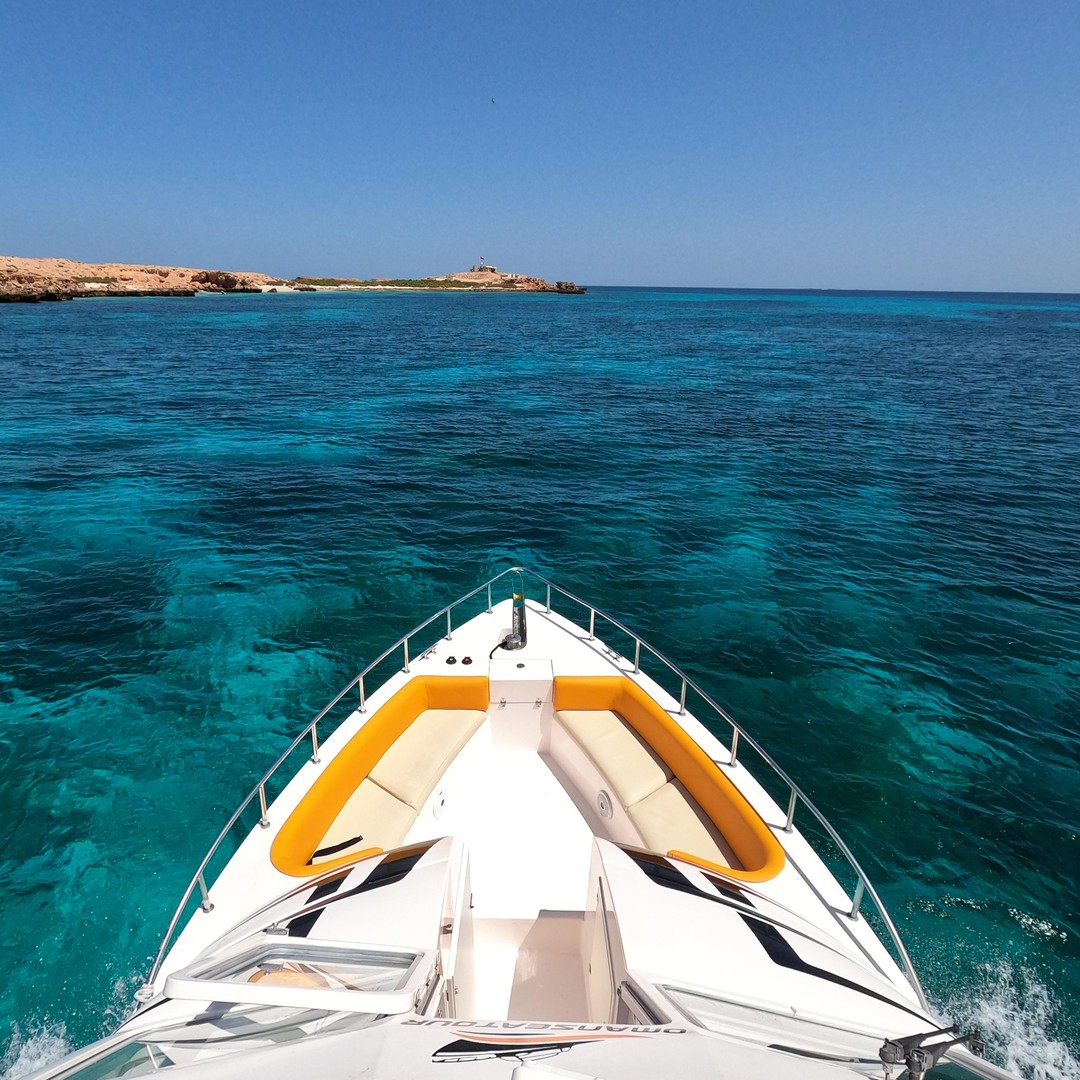
There is a moment, somewhere between the boat leaving Seeb Marina and the islands appearing on the horizon, when the Arabian Sea changes colour. The water shifts from green to a deep, glassy blue, the kind of blue that hints at depth and what might be moving through it below. For a few months each year, what moves through that blue at the Daymaniyat Islands is the largest fish on Earth.
Whale sharks.
This guide will tell you exactly when to come, what to expect, and how to give yourself the best possible chance of encountering one of the most extraordinary experiences the ocean has to offer.
What Is a Whale Shark, Exactly?
The whale shark (Rhincodon typus) is a filter feeder gentle, slow-moving, and completely harmless to humans. They can grow to 12 metres in length, yet feed entirely on plankton and tiny fish by swimming with their enormous mouths open. Think of a school bus covered in pale yellow spots drifting through the water, completely uninterested in you, occasionally bumping into the surface.
Swimming alongside one is genuinely humbling. You float at the surface while this ancient, enormous creature moves beneath you, and the world suddenly feels very small. It is the kind of moment that people fly across the world for and at the Daymaniyat Islands, it happens right off the coast of Muscat.
When Is Whale Shark Season at the Daymaniyat Islands?
Whale sharks visit Omani waters during the warmer months, drawn by nutrient-rich upwellings and the plankton blooms that follow. Here is a month-by-month breakdown:
June Early Season Arrivals
The first whale shark sightings of the season typically begin in June as water temperatures rise into the high 20s. Encounters are possible but not yet reliable. If you are visiting Oman in June for other reasons, it is worth booking an early morning tour but do not make whale sharks your primary motivation.
July Season Builds
July is when the season begins in earnest. The Arabian Sea is warm, the whale sharks are present in larger numbers, and sightings become far more consistent. The sea conditions are calmer in the early morning, making July morning tours the best value for anyone specifically chasing a whale shark encounter.
August Peak Season
August is widely considered the peak of whale shark season at the Daymaniyat Islands. Plankton blooms are at their richest, the water is warm, and the sharks are reliably present. Our guides spot them from the boat on the crossing to the islands, which means encounters often happen before you even reach the snorkeling sites. This is the month to book if whale sharks are your priority.
September to October Extended Season
September and October extend the season beautifully. The sea begins to cool slightly, visibility improves, and the sharks are still present. This is arguably the best overall combination of conditions: warm enough for whale sharks, clear enough for exceptional underwater photography, and the islands are still accessible (though beach landings remain restricted until November).
November Onwards Season Ends
By November, water temperatures drop and the whale shark visits become sporadic. From November through May, the islands offer their best beach access, clearest visibility, and most reliable sea turtle encounters but whale sharks are rare. Plan accordingly.
Learn More : Best Time for Dolphin Watching in Oman (Daymaniyat Islands Season)
Can You Land on the Islands During Whale Shark Season?
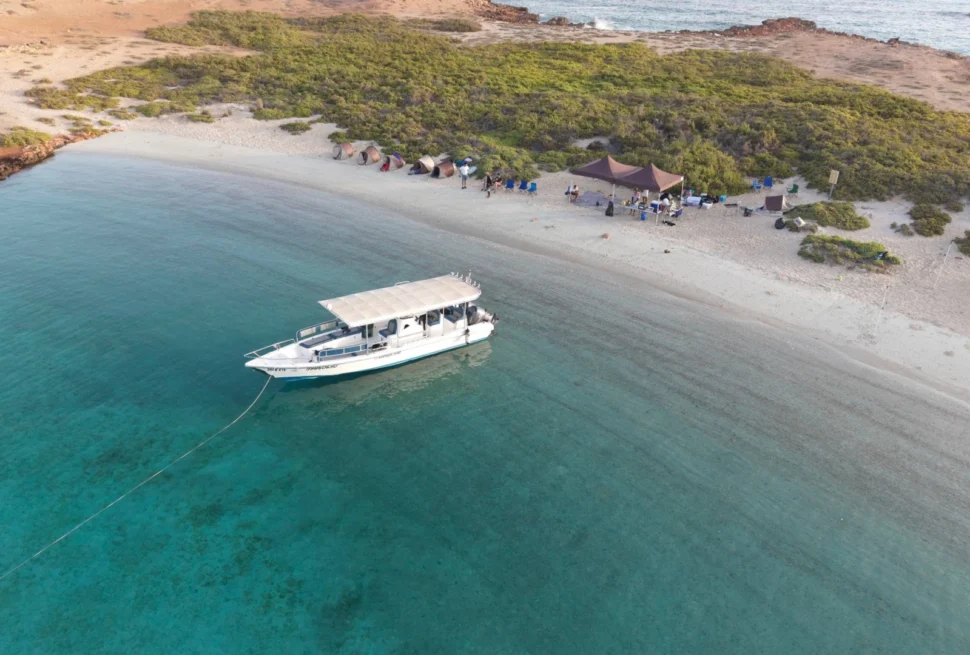
This is the most important practical detail: between May and October, landing on the Daymaniyat Islands themselves is prohibited. The islands are nesting habitat for hawksbill and green sea turtles during these months, and access to the beaches is restricted to protect them.
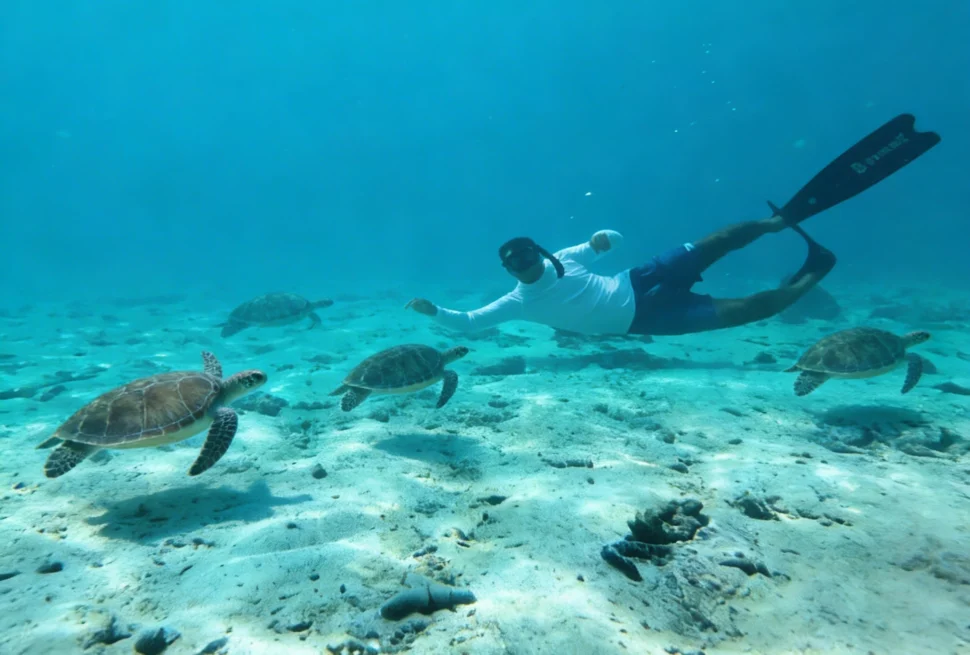
This does not mean whale shark season tours are lesser experiences. You will spend your time in the water which is exactly where the action is. Snorkeling above coral reefs, watching turtles glide below you, and if timing and fortune align, floating in open water while a whale shark moves beneath that is a full and extraordinary morning.
If you want to both set foot on the island beaches AND have a chance of whale sharks, October is your best window: the shark season is still active, and beach access typically resumes in late October as turtle nesting concludes.
How to Maximise Your Chances of Seeing a Whale Shark
- Book the morning tour whale sharks are most active in calmer morning conditions, and our guides actively scan the water on the crossing. Afternoon wind can make the open water choppier and reduce sightings.
- Go in August or September; these are peak months with the highest encounter rates. If your travel dates are flexible, build your Oman itinerary around this window.
- Be patient in the water whale sharks are not always visible at the reef. Your guide will direct the group if one is spotted nearby. Stay calm, avoid splashing, and do not chase.
- Wearing reef-safe sunscreen is harmful to coral and fish. Use a mineral-based, reef-safe product. Your guide will remind you, but bring your own.
- Bringing an underwater camera GoPro or a waterproof phone case will capture memories that Instagram stories simply cannot. The combination of warm clear water, sunlight, and a whale shark at close range is something a phone camera at the surface will never do justice.
What Else Will You See During Whale Shark Season?
Even without a whale shark sighting, a July-October Daymaniyat tour is one of the best snorkeling experiences in the region. You will almost certainly encounter:
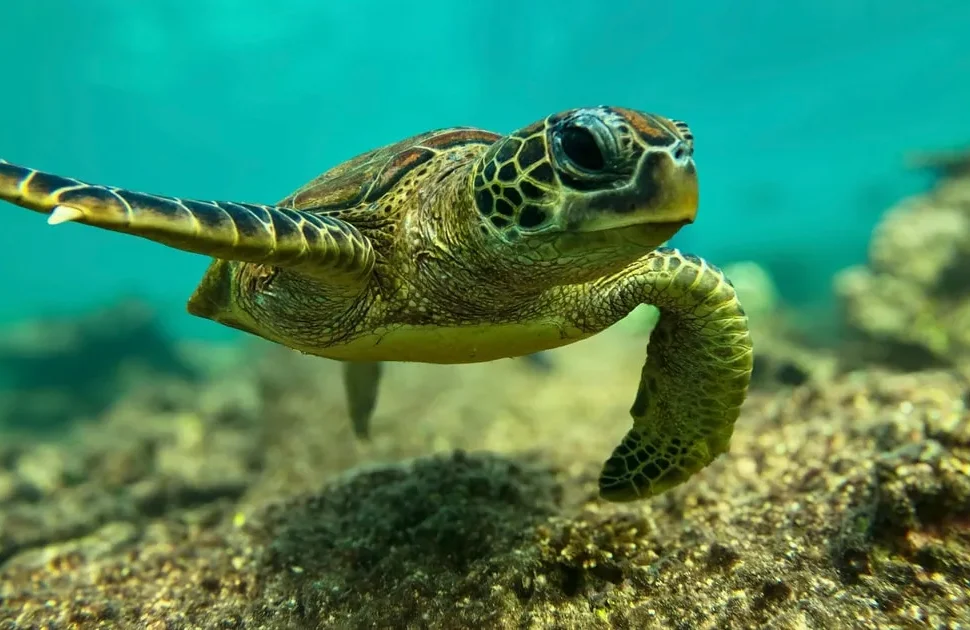
- Green and hawksbill sea turtles present year-round but especially active in summer as they nest on the beaches
- Blacktip reef sharks present at sandy channels between coral formations; graceful and entirely non-aggressive
- Stingrays, parrotfish, clownfish, moray eels the coral reef is rich regardless of season
- Spinner dolphins frequently spotted on the boat crossing to the islands
Is It Safe to Swim With Whale Sharks?
Completely. Whale sharks are filter feeders with no interest in humans. They have no sharp teeth capable of biting, no aggressive behaviour towards snorkelers, and typically continue their slow, steady course regardless of who is in the water nearby. The main safety rule is to maintain a respectful distance (at least 3 metres) and never attempt to touch or ride them. Your guide will brief you before any encounter.
Book a Whale Shark Season Tour
Our morning snorkeling tours run year-round from Seeb Marina, Muscat, with all permits, equipment, and expert guides included. During whale shark season (June to October), we actively look for whale sharks on every crossing. Sightings are never guaranteed. These are wild animals in the open ocean but our local knowledge of these waters gives every guest the best possible chance.
Ready to book? Contact us via WhatsApp to check availability for your travel dates.