

Introduction
The Daymaniyat Islands, located off the coast of Oman near Al Sawadi Beach, are Oman’s premier marine protected reserve. Covering over 100 square kilometres of protected ocean, this archipelago of nine uninhabited islands is home to an extraordinary diversity of marine life.
Whether you’re joining a Daymaniyat Tour for the first time or returning for another Half Day Snorkeling Tour, the underwater world here consistently delivers remarkable encounters thanks to strict conservation regulations, outstanding water clarity, and a thriving coral reef ecosystem.
In this guide, we reveal the top 5 marine species you’re most likely to encounter, when and where to spot them, and which tours give you the best chance of unforgettable wildlife sightings.
Why the Daymaniyat Islands Are a Marine Biodiversity Hotspot
The Daymaniyat Islands were designated a Nature Reserve by the Omani government, making them one of the most protected marine environments in the entire Arabian Peninsula. This legal protection is precisely why the marine life here thrives so exceptionally.
Key reasons for the reserve’s biodiversity include:
- Protected Marine Reserve Status: Commercial fishing, anchoring on coral, and harmful activities are strictly prohibited within the reserve boundaries.
- Healthy Coral Reef Ecosystem: Extensive hard and soft coral formations provide food, shelter, and breeding grounds for hundreds of species.
- Limited Human Interference: No permanent human settlement means the ecosystem remains largely undisturbed.
- Exceptional Water Visibility: Clear, warm Arabian Sea waters (often 15–20 metres visibility) make wildlife encounters far easier than in murky coastal areas.
For authoritative information on Oman’s marine conservation efforts, visit the Ministry of Environment and Climate Affairs (Oman) or the IUCN Marine Protected Areas Programme.
Top 5 Marine Life You’ll See at the Daymaniyat Islands
Green Sea Turtles – The Most Common Sighting
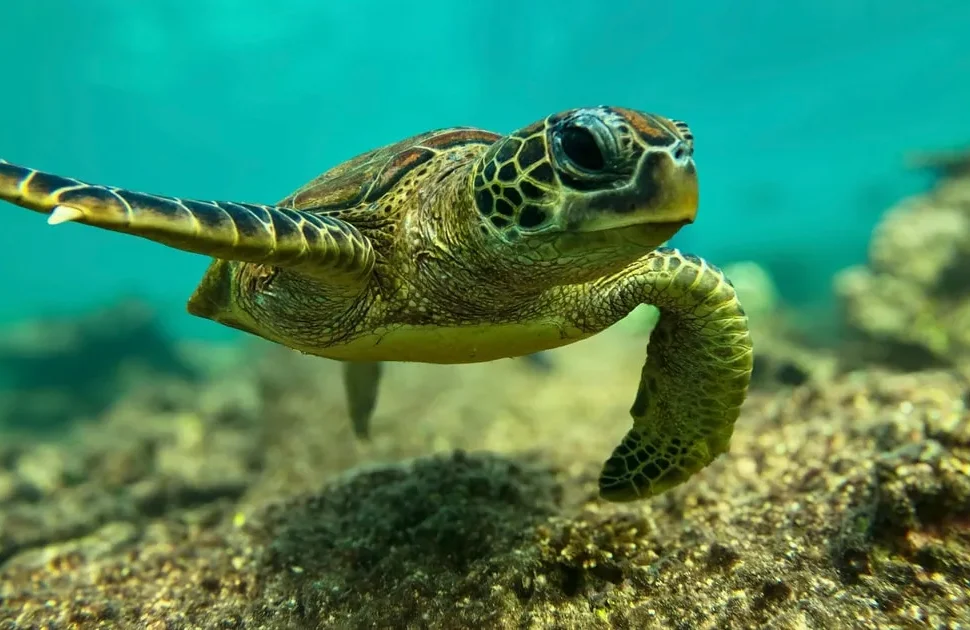
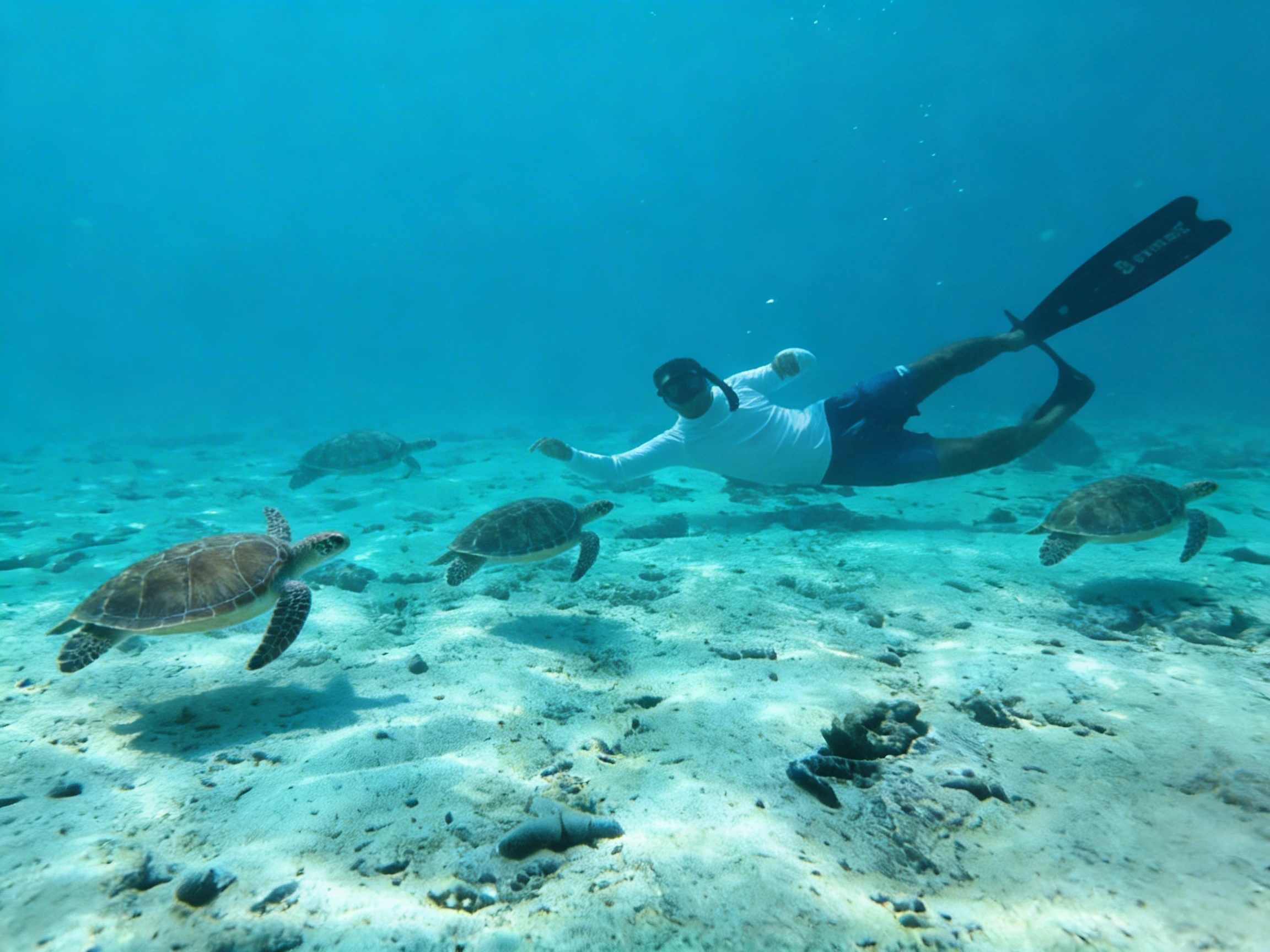
Without a doubt, green sea turtles are the star attraction of any Daymaniyat Tour. These magnificent reptiles are regularly spotted in the shallow reefs surrounding the islands, often seen leisurely feeding on seagrass or resting near coral formations.
What makes the Daymaniyat Islands so special for turtle sightings is the calm, protected environment. The turtles here are accustomed to snorkelers and tend to continue their natural behaviour undisturbed, giving you genuinely memorable close encounters.
Best opportunity: Join our Half Day Snorkeling Tour for multiple snorkelling stops with a high probability of turtle sightings at Turtle Point.
Hawksbill Turtles – Rare and Beautifully Patterned
Smaller and more intricately patterned than their green cousins, hawksbill turtles are an exciting rarer sighting at the Daymaniyat Islands. Classified as Critically Endangered on the IUCN Red List, encountering a hawksbill in the wild is a genuinely privileged experience.
Hawksbill turtles are typically found hunting for sponges and invertebrates among the coral reef structures. Their distinctive narrow, pointed beak makes them instantly recognisable underwater.
Reef Fish – A Kaleidoscope of Colour
The coral gardens of the Daymaniyat Islands teem with vibrant reef fish, making every snorkel and dive a visual spectacle. You can expect to encounter:
- Parrotfish: Famous for their beak-like teeth and vivid colouration, often seen grazing on coral algae.
- Angelfish: Elegant, disc-shaped fish with striking patterns that glide effortlessly through the reef.
- Butterflyfish: Small but brilliantly coloured, darting between coral formations.
- Sergeant Majors: Bold black-and-yellow striped fish frequently seen in large schools.
For the richest reef fish encounters, our Scuba Diving Tours take you deeper into the reef systems where fish diversity and density are at their highest.
Explore our Scuba Diving Tours for an immersive reef fish experience.
Stingrays – Graceful Sandy-Bottom Encounters
Stingrays are one of the most graceful creatures you may encounter while exploring the sandy seabeds between the coral reef zones. At the Daymaniyat Islands, stingrays are typically found partially buried in the sand, perfectly camouflaged and resting in calm, shallow areas.
These animals are naturally shy and non-aggressive. As long as you observe them calmly from a respectful distance without sudden movements, encounters are completely safe and genuinely magical.
Stingray sightings are most common during calm sea conditions, typically on morning tours when the water is at its stillest.
Our Private Snorkeling Tour allows your guide to take you directly to sandy-bottom areas known for stingray activity ideal for wildlife photographers and families who want a more customised experience.
Reef Sharks – Rare but Thrilling
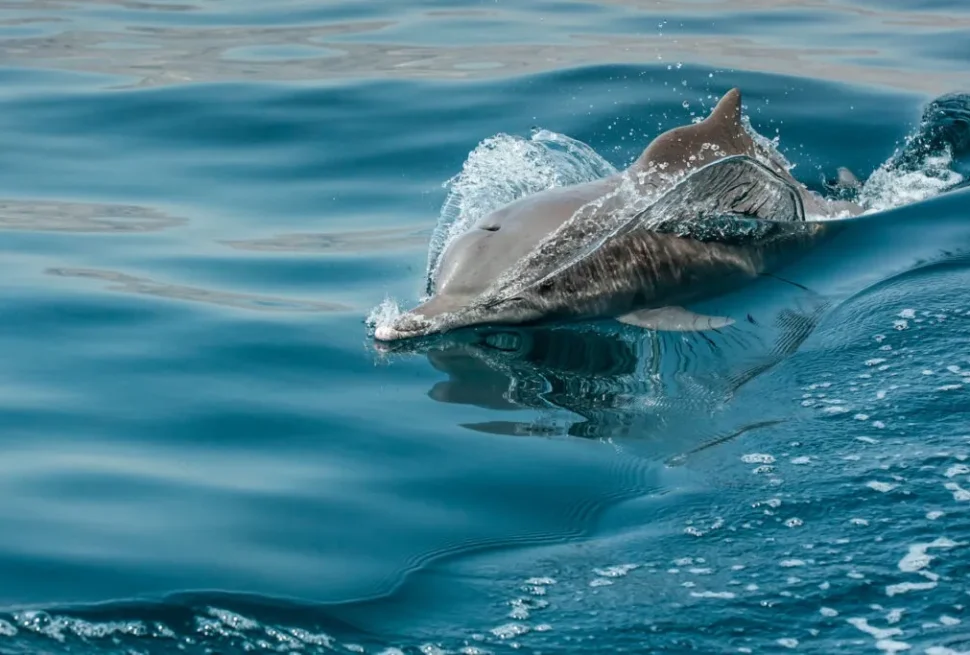
For divers, the possibility of a reef shark sighting adds an extra layer of excitement to any Daymaniyat Islands expedition. Small, non-aggressive species such as whitetip reef sharks and blacktip reef sharks are occasionally spotted in the deeper reef zones.
It is important to emphasise: these are small reef sharks that pose absolutely no threat to snorkelers or divers. They are naturally cautious and will typically swim away from humans. Sightings are relatively rare and considered a real highlight by those fortunate enough to encounter one. Shark sightings are most likely during our deeper Scuba Diving Tours.
Best Time to See Marine Life at the Daymaniyat Islands
Timing your visit correctly significantly improves your chances of outstanding marine life encounters.
April to November: Peak Marine Season
The primary visiting season runs from April through November, when sea conditions are calm, water temperatures are warm (26–32°C), and underwater visibility is at its best, often exceeding 15 metres.
Morning Tours: The Optimal Choice
Morning departures consistently offer the calmest sea conditions and the highest marine activity levels. Turtles are particularly active in the morning hours, feeding and moving through the shallow reef areas.
Seasonal Turtle Activity
Turtle nesting season peaks between May and September when female turtles come ashore on the Daymaniyat Islands’ beaches to lay their eggs. During this period, in-water turtle encounters are especially frequent and rewarding.
Where You’ll See These Marine Animals
The Daymaniyat Islands offer several distinct snorkelling and diving zones, each with different marine life concentrations:
- Turtle Point: The primary location for green and hawksbill turtle encounters, featuring shallow reef areas perfect for snorkelers.
- Coral Gardens: Dense coral formations teeming with reef fish and regular turtle sightings; accessible to all skill levels.
- Deeper Reef Zones: Best explored on scuba diving tours; higher probability of stingray and reef shark sightings.
- Shallow Lagoons: Ideal for beginners and families; calm, clear water with abundant reef fish and occasional turtle visits.
Types of Tours That Improve Marine Life Encounters
Half Day Snorkeling Tours
Our Half Day Snorkeling Tours are the most popular choice for first-time visitors and families. Departing in the morning for optimal conditions, these tours include multiple snorkelling stops across the reserve’s best sites.
- Best for beginners and non-divers
- Multiple snorkelling locations including Turtle Point
- High success rate for turtle sightings
- All equipment and a safety briefing included
Book the Half Day Snorkeling Tour
Private Snorkeling Tours
For a fully personalised experience, our Private Snorkeling Tours allow your guide to design a custom route focused entirely on the marine life you most want to encounter. This is the ideal option for underwater photographers, families with young children, or anyone seeking a more exclusive experience.
- Completely flexible, wildlife-focused itinerary
- Dedicated guide with expert local knowledge
- Ideal for photography and unhurried wildlife observation
Enquire About Private Snorkeling Tours
Scuba Diving Tours
For certified divers, our Scuba Diving Tours open up an entirely different dimension of the Daymaniyat Islands’ underwater world. Accessing deeper reef structures inaccessible to snorkelers, scuba diving dramatically increases your chances of encountering stingrays, reef sharks, moray eels, and the full diversity of the reef ecosystem.
- Deeper reef exploration beyond snorkelling range
- Best opportunity for rare marine species encounters
- Suitable for certified divers; beginner dive packages available
View our complete range of Daymaniyat Islands experiences: All Tours
Conservation & Responsible Tourism
The Daymaniyat Islands are a designated Nature Reserve, and every visitor has a responsibility to help protect this extraordinary ecosystem. As your local guide, we enforce strict responsible tourism practices on all our tours:
- Never touch, ride, or chase marine life including turtles, rays, and fish
- Maintain a respectful distance from turtles at all times (minimum 2 metres recommended)
- Avoid standing on or touching coral formations even brief contact can cause lasting damage
- Do not feed fish or introduce any food into the water
- Use reef-safe, biodegradable sunscreen to protect coral health
- Follow all Omani Marine Reserve regulations without exception
Why Choose Daymaniyat Islands
- Local Expert Guides: Our team has years of experience leading tours within the reserve, with deep knowledge of marine life behaviour and optimal sighting locations.
- Access to a Protected Ecosystem: We operate exclusively within the Daymaniyat Islands Nature Reserve, offering access to one of the healthiest marine environments in Oman.
- Consistently High Wildlife Sighting Rates: Our structured tour routes are designed around proven marine life hotspots, maximising your chances of memorable encounters.
- Safe, Regulated Operations: All tours comply fully with Omani maritime safety regulations and marine conservation laws.
- Sustainable Tourism Commitment: We operate with minimal environmental impact, ensuring this pristine ecosystem remains healthy for future generations.
Conclusion
The Daymaniyat Islands are not merely a snorkelling destination, they are one of the most extraordinary marine protected areas in the entire Arabian Peninsula. The combination of a healthy coral reef ecosystem, strict conservation protections, and expert local guides creates the ideal conditions for consistently exceptional marine life encounters.
Whether you hope to glide alongside a green sea turtle at Turtle Point, discover a stingray resting on the sandy seabed, or venture deeper to explore the reef shark territory, the Daymaniyat Islands offer wildlife experiences that few destinations in the region can match. Ready to explore the underwater world of Oman’s finest marine reserve?
Frequently Asked Questions
Q1: What marine life is most commonly seen at the Daymaniyat Islands?
Green sea turtles are by far the most frequently encountered marine animals. Colourful reef fish including parrotfish, angelfish, and butterflyfish are also extremely abundant throughout the reserve’s coral gardens.
Q2: Can I see sharks while snorkelling at the Daymaniyat Islands?
Shark sightings during surface snorkelling are very rare. Small, non-aggressive reef shark species are occasionally spotted in deeper reef zones and are far more commonly encountered during our Scuba Diving Tours.
Q3: Which tour offers the best marine life sightings?
Our Half Day Snorkeling Tours and Private Snorkeling Tours consistently deliver outstanding turtle and reef fish sightings. For the widest range of species including deeper reef dwellers, our Scuba Diving Tours are the premier choice.
Q4: Is it safe to swim near turtles and stingrays?
Yes, absolutely provided you follow our guides’ instructions. Both turtles and stingrays are non-aggressive when approached calmly and respectfully. Our guides will brief you fully on safe interaction practices before every snorkelling session.
Q5: What is the best time of year to visit the Daymaniyat Islands for marine life?
April through November offers the best conditions: calm seas, warm water, and excellent visibility. Morning tours are particularly recommended as sea conditions are typically at their calmest.