

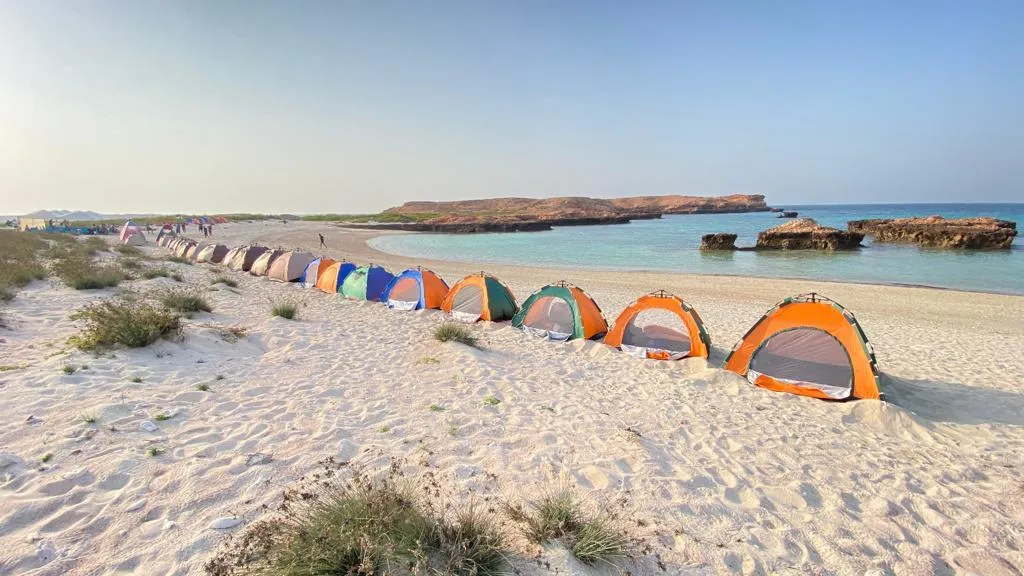
The Daymaniyat Islands are a slice of paradise. With their white sandy beaches, clear blue water, and incredible wildlife, it’s a place many dream of visiting. If you love adventure, you might be wondering: can I sleep under the stars here? Can I go camping on the Daymaniyat Islands?
The answer is yes, but with very important rules. The islands are a strictly protected nature reserve. This means camping is not a free-for-all activity you can do on your own. It is only allowed under specific conditions to protect the environment.
This guide will explain the simple rules for camping on the Daymaniyat Islands, so you can plan your adventure the right way.
Why Are the Daymaniyat Islands a Protected Area?
Imagine a national park, but in the sea. That’s what the Daymaniyat Islands are. The government of Oman has declared them an official marine nature reserve. This special status protects everything: the coral reefs, the turtles that nest on the beaches, the birds, and the clean water.
The goal is to keep this place beautiful and full of life for future generations. Tourists are welcome, but all activities must be done responsibly. That’s why there are clear rules for visitors, especially for an activity like camping that involves staying overnight.
So, Is Camping Allowed?
Yes, camping is permitted, but only through officially licensed tour operators who have the correct permits. You cannot simply arrive with your own tent, boat, and supplies. Independent or “wild” camping is not allowed.
All overnight stays must be pre-arranged as part of a guided tour. This system ensures that:
-
All necessary permits are secured.
-
Guides educate visitors on the rules.
-
Waste is managed properly.
-
Wildlife is not disturbed.
If camping is your goal, booking a guided tour is the only legal and safe way to do it. You can learn more about the camping experience we offer here: Daymaniyat Islands Overnight Camping Tour.
The Key Rules for Camping on Daymaniyat Islands
If you join a licensed camping tour, you must follow these important protected area rules. Your guide will explain them, but it’s good to know beforehand.
1. Leave No Trace
This is the most important rule. You must leave the island exactly as you found it.
-
Take all your trash back to the mainland. This includes food wrappers, bottles, and any other waste.
-
Do not disturb natural features. Don’t collect shells, rocks, or corals.
-
Use designated camping areas. Your tour operator will set up camp in approved spots to minimize impact.
2. Protect the Wildlife
The islands are home to endangered sea turtles and many birds.
-
Never touch or chase animals. Observe turtles and birds from a quiet, respectful distance.
-
Lights at night: During turtle nesting season, lights must be kept low or use red-light filters to avoid confusing nesting turtles or hatchlings.
-
Do not feed any fish or wildlife.
3. Strict Fire Rules
Open fires are generally prohibited. They are a fire risk and leave scars on the landscape. Licensed tours typically provide all meals and use safe, controlled cooking methods. Always follow your guide’s instructions on this.
4. Respect the Marine Life
Even when camping, you’ll likely spend time in the water.
-
Do not stand on or touch coral reefs. They are living creatures and are very fragile.
-
Use reef-safe sunscreen to help keep the water clean.
-
All marine life is protected. Fishing or collecting any sea creatures is illegal.
How to Camp Legally: Your Two Steps
Planning your camping trip is easy if you follow the correct path.
Step 1: Choose a Licensed Tour Operator
Your first and most important step is to book your overnight adventure with a professional company that holds valid permits for the Daymaniyat Islands Nature Reserve. They handle all the logistics, safety, and legal requirements for you.
Step 2: Prepare for a Responsible Adventure
Pack your sense of adventure and a commitment to the rules. Bring biodegradable personal products, a reusable water bottle, and listen carefully to your guide. Your role is to enjoy the beauty while helping to protect it.
You can explore the general activity of camping on our website here: Camping in Daymaniyat Islands.
What to Expect on a Guided Camping Tour
A legal camping tour is an incredible experience. Here’s what typically happens:
-
Travel: You’ll take a boat from Muscat to the islands.
-
Setup: The tour team sets up a comfortable camp, often including tents and sleeping gear.
-
Activities: You might enjoy snorkeling in the clear waters, exploring the islands, and stargazing at night.
-
Meals: Enjoy meals prepared by your guides.
-
Education: Learn about the ecosystem from people who know it best.
For those who prefer a private experience, this can also be arranged through specialized tours. Find out more about a private trip here: Private Daymaniyat Islands Snorkeling Tour.
Frequently Asked Questions (FAQs)
Can I camp on any of the nine Daymaniyat Islands?
No. Access and camping are restricted to specific islands and beaches as dictated by the permit. Your licensed tour operator will know exactly where it is allowed.
What is the best time of year for a camping trip?
The cooler months from October to April offer the most pleasant weather for camping. The summer months are very hot. It’s also important to be extra mindful of turtles during nesting season (typically April to August).
Are there facilities on the islands?
The islands are uninhabited and have no permanent facilities like toilets, showers, or shops. This is part of their raw beauty. A good tour operator will bring portable facilities and manage all hygiene responsibly.
Can I combine camping with scuba diving?
Yes, some tours may combine these activities. You must be a certified diver for scuba adventures. Learn about diving opportunities here: Scuba Diving in Daymaniyat Islands.
Conclusion: Camping the Right Way
Camping on the Daymaniyat Islands is a unique privilege. The strict rules are not there to limit your fun, but to protect the very reason you want to visit. By choosing a licensed tour and following the protected area guidelines, you become a partner in conservation.
You get an unforgettable night in nature, and the islands get a visitor who cares. It’s the only way this special place can stay pristine for the next adventurer who looks up at the same stars.
Ready to plan your responsible island adventure? Start by exploring your legal camping options.