

Introduction
Nestled off the coast of Al Batinah, approximately 60 kilometres northwest of Muscat, the Daymaniyat Islands represent the gold standard of marine conservation in Oman. Designated as a Nature Reserve by the Omani government, this archipelago of nine pristine, uninhabited islands is subject to some of the most stringent environmental protections in the entire Arabian Gulf region.
For anyone joining a Daymaniyat Tour or a Half Day Snorkeling Tour here, the reserve status is not merely a bureaucratic label; it is the direct reason why the water is so clear, the coral so healthy, and the wildlife encounters so reliably extraordinary.
In this guide, we explore precisely what makes the Daymaniyat Islands one of Oman’s most protected marine areas, why that protection matters profoundly for both the ecosystem and your experience, and how you can visit responsibly as part of this remarkable conservation story.
What Makes the Daymaniyat Islands a Protected Marine Area?
The Daymaniyat Islands carry official Nature Reserve designation under Omani law, granted by the Ministry of Environment and Climate Affairs. This status confers a comprehensive set of legal protections that govern every aspect of human activity within the reserve boundaries.
Official Reserve Designation
The islands and their surrounding waters are classified as a protected area under Oman’s Nature Conservation Law. This designation prohibits commercial fishing, unregulated tourism, anchoring on coral reefs, and all extractive activities within the reserve zone.
Restricted Access Zones
Specific areas within the reserve are designated as highly sensitive zones with strictly controlled access. These areas encompass critical nesting beaches for sea turtles and particularly fragile coral formations. Entry to these zones is monitored and enforced by the reserve’s environmental wardens.
Controlled Tourism Permits
All visitors must enter the Daymaniyat Islands through a licensed tour operator holding valid permits from the relevant Omani authorities. Independent, unguided access is not permitted. This permit system directly limits daily visitor numbers, preventing the overcrowding that has damaged so many other reef destinations globally.
Coral Reef and Species Protection
The reserve’s legal framework explicitly protects coral reef structures and all marine species within its boundaries. The collection of any marine organism living or dead, including shells and coral fragments is strictly prohibited and subject to legal penalties.
For comprehensive information on Oman’s marine conservation legislation, visit the official Ministry of Environment and Climate Affairs (Oman).
History of Conservation at the Daymaniyat Islands
The Daymaniyat Islands’ journey to becoming one of Oman’s most protected marine environments reflects both a growing recognition of the archipelago’s ecological significance and a determined governmental commitment to preserving it for future generations.
Prior to receiving formal protected status, the islands and their surrounding waters faced growing pressure from unregulated fishing activity and the early stages of tourism development in the region. Coral reef degradation and declining turtle populations signalled the urgent need for intervention.
The designation of the Daymaniyat Islands as a Nature Reserve marked a turning point. Government authorities recognised that without proactive protection, the extraordinary biodiversity of this ecosystem built over thousands of years could be irreversibly damaged within decades of unmanaged human activity.
Conservation efforts since the reserve’s establishment have focused on three core areas: reef monitoring and rehabilitation, sea turtle nesting beach protection, and the development of a sustainable, permit-based eco-tourism model that funds ongoing conservation work while allowing carefully managed public access.
Why Protection Is So Important Here
Coral Reef Preservation
Coral reefs are among the most biologically diverse and structurally complex ecosystems on Earth and among the most fragile. A single careless anchor drop, a sunscreen-covered swimmer, or decades of unregulated fishing can cause coral damage that takes centuries to recover naturally.
The Daymaniyat Islands’ protected status has allowed its coral reef formations to develop and recover in conditions largely free from the human pressures that have devastated reef systems elsewhere in the world. The result is a coral ecosystem of exceptional health and diversity, providing the structural foundation upon which all other marine life depends.
For Scuba Diving Tours participants, this translates directly into richer, more colourful reef dives with greater fish diversity and more intact coral architecture than is available at unprotected dive sites in the wider region.
Marine Life Conservation
The reserve’s protection directly safeguards the breeding and feeding grounds of some of the most ecologically important marine species in the Arabian Sea, including:
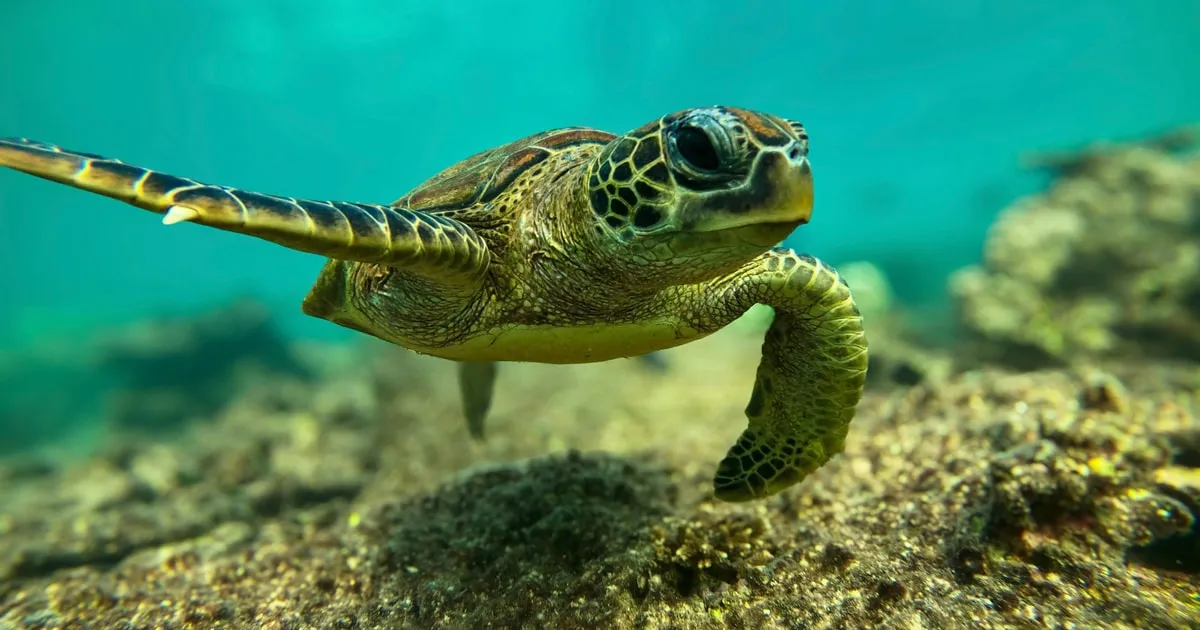
- Green and hawksbill sea turtles who return annually to nest on the islands’ beaches
- Diverse reef fish populations parrotfish, angelfish, butterflyfish, and many more
- Stingrays and reef sharks whose presence indicates a balanced, healthy ecosystem
- Migratory species who rely on the reserve as a safe corridor and resting area during seasonal movements
Without legal protection and enforced management, these populations would face the fishing pressure, habitat destruction, and disturbance that has depleted marine life at so many unprotected Arabian Sea locations.
Rules That Help Protect the Daymaniyat Islands
The Daymaniyat Islands Nature Reserve operates under a clear framework of visitor regulations, enforced by both licensed tour operators and the reserve’s environmental management team:
- No fishing of any kind is permitted within reserve boundaries
- No touching, standing on, or removal of coral living or dead
- No collection of any marine organism, shell, or natural material
- Daily visitor numbers are capped through the permit system
- All visits must be conducted through a licensed operator with a qualified guide
- Boat anchoring on coral is strictly prohibited; designated mooring buoys must be used
- No littering or introduction of foreign materials into the marine environment
- Drone and photography restrictions apply in sensitive conservation zones
How Tourism Is Carefully Managed
The management approach at the Daymaniyat Islands represents a model of sustainable eco-tourism that balances public access with genuine environmental protection. Several interconnected systems work together to ensure tourism never exceeds the ecosystem’s carrying capacity.
Controlled Entry Permit System
All tour operators must hold current, government-issued permits to access the reserve. These permits are subject to regular review and can be revoked for non-compliance with conservation regulations. The total number of daily permits is capped to prevent overcrowding.
Licensed Operators Only
Visitors cannot access the Daymaniyat Islands independently. All tours must be conducted by licensed operators whose guides have received environmental training and are accountable for the behaviour of their groups within the reserve.
Designated Snorkelling and Diving Zones
Specific areas of the reserve are designated for snorkelling and diving activity, directing visitor impact away from the most sensitive coral and nesting zones. This zoning system ensures high-traffic activity occurs in areas resilient enough to sustain it, while protecting the reserve’s most ecologically critical areas.
Our Private Snorkeling Tour and Half Day Snorkeling Tours operate exclusively within designated visitor zones, ensuring your experience is both exceptional and ecologically responsible.
Why Daymaniyat Protection Improves Your Experience
It is worth pausing to appreciate the direct, tangible connection between the Daymaniyat Islands’ conservation status and the quality of the experience you will have during your visit. Protection and enjoyment are not competing priorities here they are inseparable.
- Healthier Coral Reefs: Superior Visibility: Intact coral ecosystems support clearer water and more vibrant underwater scenery than degraded alternatives.
- Higher Marine Life Encounter Rates: Protected populations of turtles, reef fish, rays, and sharks mean sightings are frequent and natural, not staged or strained.
- Uncrowded Snorkelling Areas: Daily permit caps prevent the overwhelming visitor numbers that diminish the experience at many popular unprotected sites.
- Cleaner Safer waters, no fishing activity, no industrial pollution, and strictly managed boat access means the water quality at the Daymaniyat Islands is exceptional.
Simply put: the conservation regulations you follow during your Daymaniyat Tour are the very reason your tour is as extraordinary as it is.
Marine Life Thrives Because of Protection
The ecological outcomes of sustained conservation management at the Daymaniyat Islands are measurable and visible to every visitor:
- Green Sea Turtle Population Stability: Regular nesting activity on the islands’ beaches indicates a healthy, stable turtle population sustained by ongoing protection of both nesting sites and foraging habitats.
- Exceptional Coral Fish Diversity: The reserve supports fish diversity far exceeding that of comparable unprotected reef systems in the region, reflecting the direct benefits of coral reef protection.
- Rare Species Sightings: Species that have become increasingly rare at unprotected Arabian Sea locations including hawksbill turtles and certain reef shark species are still regularly encountered here.
- Balanced Ecosystem Development: The presence of apex predators such as reef sharks indicates a functioning, balanced food web, a sign of genuine ecological health rarely seen at heavily visited dive sites globally.
For scientific context on the global importance of marine protected areas, the IUCN Marine Protected Areas Programme provides comprehensive research and data.
Responsible Tourism Guidelines for Visitors
Every visitor to the Daymaniyat Islands Nature Reserve has a personal responsibility to uphold the conservation standards that protect this ecosystem. Our guides will brief you fully before every activity, but these core principles apply throughout your visit:
- Never touch, chase, or attempt to ride any marine animal including turtles, rays, and fish
- Maintain a minimum 2-metre distance from sea turtles at all times
- Never stand on or grip coral formations even brief contact causes lasting damage
- Do not feed fish or introduce any food into the water
- Use only reef-safe, biodegradable sunscreen products
- Follow your guide’s instructions immediately and without question in all situations
- Stay within designated snorkelling and diving zones at all times
- Take all waste back to shore leave nothing in the water or on the beaches
Types of Experiences Available at the Daymaniyat Islands
Half Day Snorkeling Tours
Our Half Day Snorkeling Tours are the ideal introduction to the Daymaniyat Islands for first-time visitors, families, and travellers with limited time in Muscat. Morning departures take advantage of the calmest sea conditions, with multiple snorkelling stops across the reserve’s best-known sites.
- Beginner-friendly with full equipment provided
- Multiple locations including Turtle Point
- Consistently high turtle and reef fish encounter rates
- Ideal for day-trippers from Muscat
Book the Half Day Snorkeling Tour
Private Snorkeling Tours
For an exclusive, fully personalised experience, our Private Snorkeling Tours give you and your group a dedicated guide and a completely customisable itinerary. This is the preferred choice for underwater photographers, families with young children, and anyone seeking a more intimate encounter with the reserve.
- Custom route designed around your wildlife priorities
- Dedicated guide with expert local knowledge
- Ideal for photography, families, and special occasions
Reserve a Private Snorkeling Tour
Scuba Diving Tours
Certified divers can access the Daymaniyat Islands’ deeper reef structures on our Scuba Diving Tours, exploring zones inaccessible to snorkellers and encountering the full depth of the reserve’s biodiversity. Beginner dive packages are available for those looking to experience their first dive in an exceptional environment.
- Deeper reef exploration with greater species diversity
- Best opportunity for reef shark and stingray encounters
- Certified and beginner dive packages available
Camping Tours
For the most immersive possible Daymaniyat Islands experience, our overnight Camping Tours allow you to spend the night under the stars on these uninhabited islands, a genuinely rare privilege in a protected nature reserve.
View the complete range of Daymaniyat Islands experiences: All Tours
Why Choose Daymaniyat Islands
- Licensed Local Guides: Our team operates with full government authorisation and deep expertise in the reserve’s ecology, regulations, and optimal wildlife viewing locations.
- Eco-Tourism Focused: Operations Every aspect of our tours is designed with minimal environmental impact as a non-negotiable operating principle.
- Full Conservation Compliance: We maintain the highest standards of compliance with all Omani marine reserve regulations, protecting both the ecosystem and our guests.
- Exceptional Marine Biodiversity: Access Our established permit relationships and local knowledge give our guests access to the most rewarding sites within the reserve.
- Safety-First Approach: All tours comply fully with Omani maritime safety standards, and our guides are trained in both marine safety and first response.
Best Time to Visit the Daymaniyat Islands
April to November: The Primary Season
The Daymaniyat Islands are best visited between April and November, when the Arabian Sea is at its calmest and water visibility is at its peak frequently exceeding 15 metres. Water temperatures during this period range from a comfortable 26–32°C, ideal for extended snorkelling and diving sessions.
Morning Tours: The Optimal Choice
Morning departures consistently offer the best conditions. Sea surfaces are typically calmer before midday winds develop, and marine animals, particularly sea turtles, are most active during morning feeding hours. We strongly recommend morning bookings for the highest quality experience.
Seasonal Marine Activity
Sea turtle nesting activity peaks between May and September, when females come ashore on the islands’ protected beaches. This period offers the most frequent in-water turtle encounters. Diving conditions are outstanding throughout the main season, with visibility and marine activity both at annual highs.
Conclusion
The Daymaniyat Islands are not simply one of Oman’s most beautiful coastal destinations; they are a living demonstration of what becomes possible when rigorous conservation, responsible tourism, and genuine environmental commitment work in harmony.
The clarity of the water, the health of the coral, the abundance of turtles, and the richness of the reef fish community are not happy accidents. They are the direct result of decades of legal protection, careful management, and the ongoing commitment of every guide, operator, and visitor who chooses to treat this ecosystem with the respect it deserves.
When you join a Daymaniyat Tour, you are not simply booking a snorkelling or diving excursion, you are participating in a conservation success story and helping to fund the ongoing protection of one of the Arabian Peninsula’s most extraordinary marine environments.
Frequently Asked Questions
Q1: Why are the Daymaniyat Islands protected?
The Daymaniyat Islands were designated a Nature Reserve to preserve their exceptional coral reef ecosystems, protect nesting sea turtle populations, and maintain the marine biodiversity of one of Oman’s most ecologically significant coastal areas. Protection prevents the overfishing, coral damage, and unmanaged tourism that has degraded comparable reef systems elsewhere in the region.
Q2: Can tourists visit the Daymaniyat Islands freely?
No. Access to the Daymaniyat Islands is controlled through a licensed tour operator system. Independent, unguided visits are not permitted. All visitors must travel with a licensed operator holding valid reserve access permits, and daily visitor numbers are capped to protect the ecosystem.
Q3: What activities are permitted at the Daymaniyat Islands?
Permitted activities include snorkelling, scuba diving, guided eco-tours, and authorised overnight camping all conducted through licensed operators within designated zones. Fishing, coral collection, unguided access, and anchoring on reefs are all strictly prohibited.
Q4: Are Private Snorkeling Tours available at the Daymaniyat Islands?
Yes. Our Private Snorkeling Tours provide an exclusive, fully customisable experience with a dedicated guide. These tours are ideal for families, underwater photographers, and anyone seeking a more personalised and unhurried encounter with the reserve’s marine life.
Q5: What is the best time of year to visit the Daymaniyat Islands?
April through November offers the best combination of calm seas, warm water temperatures (26–32°C), and exceptional underwater visibility. Morning tours are recommended for the calmest conditions and the highest marine life activity levels.